
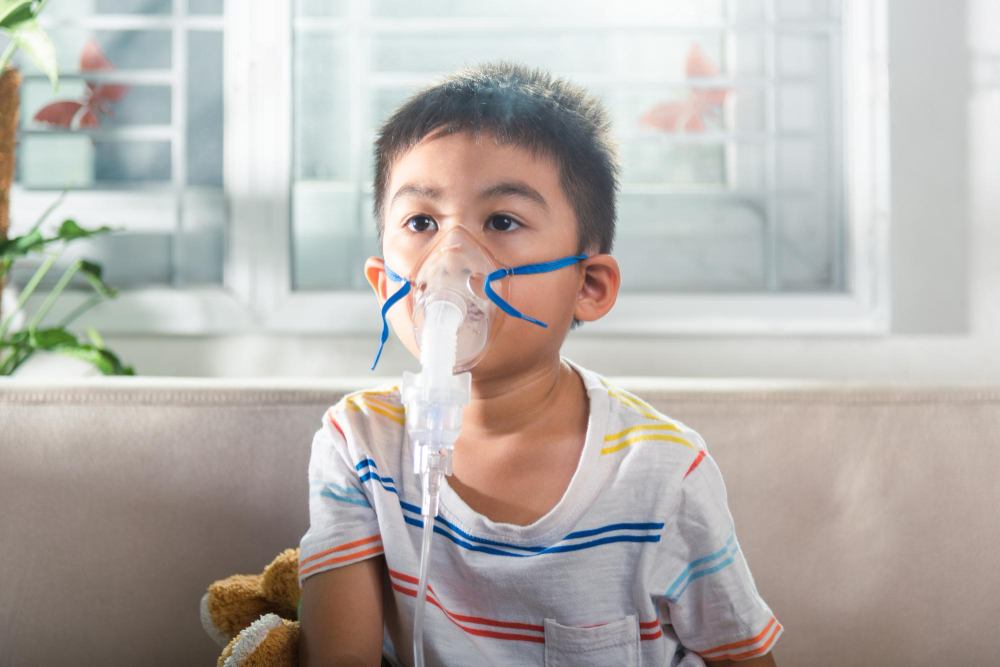
Optimal control of childhood respiratory disease will not come from targeting RSV or pneumococcus alone, but both simultaneously.
Every winter, pediatric wards fill with infants gasping for breath. The culprit is often Respiratory Syncytial Virus (RSV), the leading viral cause of severe lower respiratory tract infection (LRTI) in children under five.
But here is an uncomfortable truth that parents and policymakers rarely hear: RSV is rarely a solo act.
For decades, we have understood that the relationship between respiratory viruses and bacterial pneumonia in young children is more than coincidental — it is synergistic. And no duo is more dangerous than RSV and Streptococcus pneumoniae (the pneumococcus).
Recognising their lethal interplay isn’t just academic; it is the key to unlocking the next frontier in childhood survival.
The evidence is overwhelming. RSV damages the delicate lining of the airways, disrupts immune defences, and essentially rolls out the red carpet for bacteria. Pneumococcus, a common colonizer of the nasopharynx, waltzes right in.
The result? Community-acquired alveolar pneumonia (CAAP) — the severe, airspace-filling pneumonia that sends toddlers to intensive care. Studies confirm that viral-bacterial co-infections cause more severe disease than either pathogen alone.
But here is where the story turns hopeful and complex. The introduction of pneumococcal conjugate vaccines (PCVs) dramatically reduced invasive pneumococcal disease (IPD).
Unexpectedly, researchers observed a striking secondary benefit: PCVs also reduced hospitalisations for RSV-positive CAAP. By suppressing the bacterial partner, we blunted the virus’s impact.
Conversely, early data suggest that anti-RSV antibodies (such as maternal vaccines or prophylactic monoclonal antibodies e.g. Nirsevimab) may likewise reduce the risk of subsequent pneumococcal pneumonia.
We are witnessing a two-way street of mutual protection.
This is a paradigm shift. It suggests that optimal control of childhood respiratory disease will not come from targeting RSV or pneumococcus alone, but both simultaneously.
However, challenges remain. First, pneumococcal serotypes not covered by current PCVs (so-called “replacement serotypes”) are emerging, and we still see CAAP episodes with no detectable virus where invasive serotypes dominate.
Meanwhile, RSV-positive CAAP episodes are actually less frequently associated with vaccine serotypes—suggesting the virus may facilitate invasion by non-invasive pneumococcal serotypes, other bacteria, including non-typeable Haemophilus influenzae (NTHi).
Second, while we now have tools — new RSV monoclonal antibodies for infants and maternal RSV vaccines — implementation hurdles are steep.
Will low and middle-income countries (LMIC) afford these? Can we integrate RSV immunization into crowded childhood schedules? And will widespread RSV prevention inadvertently alter bacterial ecology in ways we don’t yet understand?
The way forward requires three bold steps:
- First, expand PCV coverage to more serotypes and invest in next-generation pneumococcal vaccines.
- Second, deploy safe, effective RSV antibodies to all infants, not just those in wealthy nations.
- Third, fund surveillance for viral-bacterial co-infections, including neglected pathogens like NTHi.
RSV and pneumococcus are locked in a deadly dance. We have the music, and the power to change the tune. But only if we act on the science that tells us: to save one child’s lungs, we must fight both villains at once.
Dr Musa Mohd Nordin, Dr Zulkifli Ismail, and Dr Cheang Hon Kit are paediatricians.
Published in CodeBlue: https://codeblue.galencentre.org/2026/06/the-deadly-dance-why-beating-rsv-means-also-fighting-pneumococcus/
